
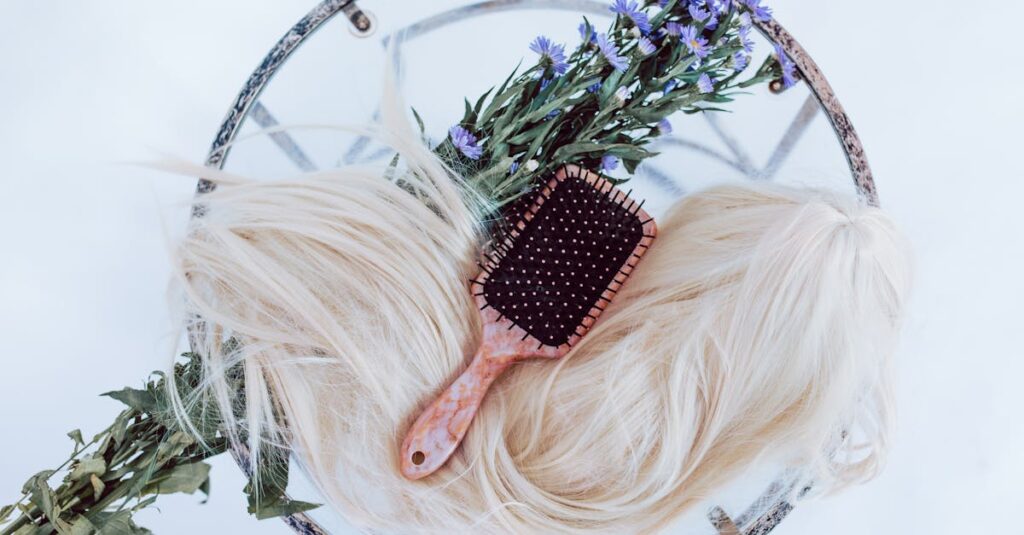

In a world where hair can be both a crown and a chaotic mess, protective hairstyles emerge as the unsung heroes of hair care. They’re not just trendy; they’re practical magic for anyone looking to keep their locks healthy while slaying the style game. From braids that could withstand a hurricane to sleek buns that scream sophistication, these styles offer a perfect blend of flair and function.
Table of Contents
ToggleWhat Are Protective Hairstyles?
Protective hairstyles serve to maintain hair health, particularly for individuals with textured hair. These styles simultaneously offer a fashionable look while safeguarding the hair from damage.
Definition and Purpose
Protective hairstyles refer to styles designed to minimize manipulation and reduce hair breakage. Common examples include braids, twists, and buns. The primary purpose lies in preserving hair moisture and protecting the ends from environmental factors. This design keeps hair tucked away, allowing it to grow uninterrupted. By lowering exposure to heat and friction, these styles promote healthier hair over time.
Benefits of Protective Hairstyles
Protective hairstyles provide numerous benefits essential for hair care. Moisture retention occurs naturally because the styles shield the hair from dryness. Growth stimulation is evident since less manipulation encourages longer hair. Additionally, these styles reduce the risk of split ends, ensuring hair maintains its fullness and vibrancy. Comfort is another factor; many styles are low-maintenance and easy to manage. Overall, protective hairstyles uniquely blend functionality with aesthetics, making them a popular choice among many.
Types of Protective Hairstyles
Numerous protective hairstyles exist, catering to different preferences and hair types. These styles enhance hair health while providing versatility in appearance.
Braids
Braids serve as a popular option for protective styling. They minimize manipulation of hair strands, reducing breakage. Various braid types include cornrows, box braids, and feed-in braids. Each variation offers a unique look while keeping hair secured. Moisture retention increases in braids, which helps maintain overall hair health.
Twists
Twists provide another effective protective style. These styles can be worn as two-strand twists or flat twists, offering flexibility in thickness and appearance. Twists allow for easy upkeep while protecting hair from environmental damage. Moisture stays locked in, promoting growth and reducing frizz. Additionally, twists can be easily manipulated into various styles, enhancing creativity.
Buns and Updos
Buns and updos offer elegant solutions for protection. These styles tuck hair away, which helps shield the ends from damage. Popular updo styles include the classic bun, top knot, and braided bun. Each option gives a polished look while allowing for low maintenance. Resiliency increases when hair is secured tightly, promoting healthy strands.
Wigs and Weaves
Wigs and weaves serve as versatile alternatives for protective styling. They enable wearers to change their look without manipulating natural hair frequently. Wigs allow for easy application and removal, providing convenience. Weaves offer a longer-lasting solution and can blend seamlessly with natural hair textures. Both options protect hair from heat damage while allowing for various styling possibilities.
How to Choose the Right Protective Hairstyle
Choosing the right protective hairstyle involves assessing several key factors. Hair type plays a significant role in this decision.
Hair Type Considerations
Determining hair type helps identify which protective styles suit an individual’s unique texture. Curly and coily hair types benefit from braids and twists for moisture retention and reduced manipulation. Straight or wavy hair finds buns and updos effective, keeping the ends secure and protected. Each hair type has specific needs that influence the choice of hairstyle, as not every style offers equal protection. Long hair may lend itself well to elaborate styles like high buns, while shorter hair could be more suited to simple braids or twists. Understanding these characteristics ensures the selected hairstyle promotes hair health.
Lifestyle Factors
Lifestyle significantly impacts the choice of protective hairstyles. Individuals with an active lifestyle may prefer styles that are low maintenance and can withstand physical activities. Busy professionals might find updos or braids convenient for long hours, while students may enjoy colorful wigs for versatility. Fashion choices can also affect hairstyle selection, as some styles can transition from casual to formal settings. Adapting hairstyles to fit one’s daily routines allows for both practicality and style. Comfort should not be overlooked, as a comfortable hairstyle contributes to consistent wear and enjoyment.
Maintenance Requirements
Maintenance needs vary among protective hairstyles, influencing their long-term viability. Some styles require regular touch-ups, while others may last for weeks without much upkeep. Braids typically need refreshing every few weeks, while buns can often be left for extended periods with minimal adjustment. Assessing the time and effort available for maintenance ensures that individuals choose a style they can maintain effectively. Moisture retention and scalp care should remain priorities, as healthy care practices support the overall benefits of protective hairstyles. Recognizing one’s ability to commit to maintenance helps in selecting the perfect fit for their hair care routine.
Styling and Care Tips for Protective Hairstyles
Protective hairstyles require thoughtful styling and care to maximize their benefits. Following certain tips helps maintain both the style and the hair’s health.
Preparation Before Styling
Preparation is key for achieving a great protective hairstyle. Clean hair ensures that products adhere properly, so wash your hair with a gentle shampoo. Follow this with a moisturizing conditioner to add hydration. Detangling the hair is crucial; use a wide-tooth comb to minimize breakage. Applying a leave-in conditioner enhances moisture retention, while a heat protectant prevents damage if using heat tools. Sectioning hair into manageable parts simplifies styling, making the process more efficient.
Products to Use
Using the right products contributes significantly to the longevity of protective hairstyles. Look for moisturizing creams and oils designed for textured hair; these products nourish strands and promote healthy growth. A lightweight gel can help with hold without causing stiffness. Natural oils, such as argan or coconut oil, work well for sealing in moisture. Avoid products with sulfates and heavy silicones, as they can lead to buildup and dryness over time. Natural ingredients should be prioritized to maintain hair health.
Regular Maintenance Practices
Regular maintenance practices keep protective styles looking fresh and healthy. Start by moisturizing hair every few days to prevent dryness and breakage. Lightly spritzing with water or using a leave-in conditioner helps maintain hydration. Refrain from pulling or tugging on the scalp, as this can lead to tension and damage. Nightly coverage with a silk or satin scarf prevents friction during sleep. Additionally, removing and redoing styles every few weeks allows the scalp to breathe and reassesses hair health.
Protective hairstyles are more than just a trend; they’re essential for maintaining healthy hair. By choosing the right style, individuals can enjoy the benefits of reduced breakage and enhanced moisture retention. With options like braids, twists, buns, and wigs, there’s a perfect fit for every hair type and lifestyle.
Prioritizing maintenance is key to maximizing the advantages of these styles. Regularly moisturizing and using the right products can ensure that hair remains healthy and vibrant. Embracing protective hairstyles not only safeguards hair but also allows for creative expression, making them a go-to choice for many seeking to balance beauty and care.


