
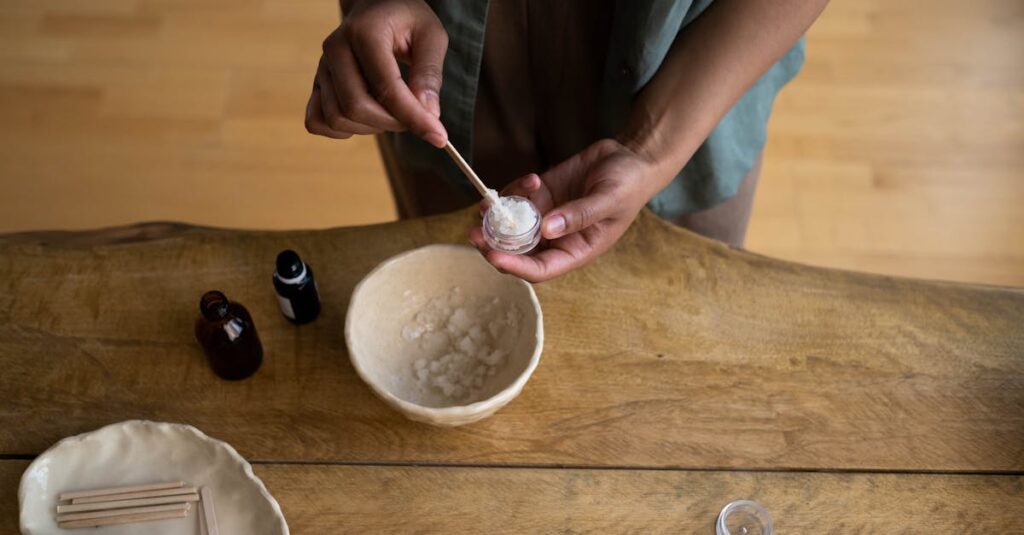

In a world where beauty products can cost more than a small island, why not whip up some DIY skincare magic right in your kitchen? Imagine transforming your pantry into a spa, using ingredients that are not only good for your skin but also won’t break the bank. Who knew that oatmeal and honey could do more than just sit on your breakfast table?
Table of Contents
ToggleOverview of DIY Skincare Recipes
DIY skincare recipes offer a cost-effective way to care for the skin using natural ingredients. Individuals can find many recipes utilizing common pantry staples such as honey, oatmeal, and coconut oil. These ingredients contain beneficial properties that nourish and soothe the skin.
Many types of DIY products exist, from face masks to scrubs and moisturizers. Ingredients like avocado provide essential fatty acids, promoting hydration. Lemon juice acts as a natural astringent, helping to brighten and tone the skin.
Crafting these recipes requires simple steps, making the process enjoyable and efficient. For example, combining mashed avocado with honey creates a moisturizing face mask. Mixing sugar with olive oil results in an exfoliating scrub. These mixtures allow for customization based on personal skin types or preferences.
Research indicates that natural ingredients often present fewer side effects compared to synthetic ones, making them a safer choice. For sensitive skin, oatmeal works wonders as a gentle exfoliant while calming irritation. Additionally, recipes can be tailored to address specific concerns such as acne or dryness.
Many enthusiasts share their DIY skincare experiences online, fostering a community of like-minded individuals. Keywords like “natural beauty” and “eco-friendly” resonate with those seeking sustainable options. Exploring these recipes opens up possibilities for a healthier skincare routine without the drawbacks of commercial products.
Creating customized skincare solutions empowers individuals to take control of their beauty regimens. By understanding the benefits of each ingredient, anyone can craft effective treatments right at home.
Benefits of DIY Skincare
DIY skincare offers various advantages, making it an appealing choice for many. One of the most significant benefits is the potential for customizing products to meet individual skin needs.
Cost-Effectiveness
DIY skincare products often cost significantly less than store-bought alternatives. For example, common kitchen ingredients like honey, oatmeal, and avocado provide high-quality skincare options without breaking the bank. Many individuals find that crafting their skincare allows them to save money while continuously experimenting with new recipes. A simple face mask can cost only a few dollars compared to expensive spa treatments. By creating their products at home, users often enjoy considerable savings over time.
Natural Ingredients
Using natural ingredients enhances the appeal of DIY skincare. Many pantry staples contain beneficial properties for the skin, such as hydration, exfoliation, and nourishment. Ingredients like lemon juice brighten, while coconut oil moisturizes effectively. Readers can feel confident knowing that these components typically pose fewer risks than synthetic alternatives. Many people with sensitive skin appreciate the gentleness of natural ingredients. Personalizing recipes with varied ingredients enables each individual to tailor treatments to their specific skin concerns, promoting healthier skin overall.
Essential Ingredients for DIY Skincare
DIY skincare requires simple yet effective ingredients. Understanding essential components leads to successful creations.
Oils and Butters
Oils and butters form the foundation of many DIY skincare recipes. Coconut oil serves as a moisturizer and anti-inflammatory agent. Jojoba oil mimics skin’s natural sebum, providing hydration; it’s suitable for all skin types. Shea butter enhances elasticity and nourishes skin, making it a popular choice for creams. Sweet almond oil delivers vitamins A and E, promoting healing and repair. These ingredients combine for customizable and effective skincare solutions.
Herbs and Botanicals
Herbs and botanicals add beneficial properties to DIY skincare products. Lavender promotes relaxation and soothes irritated skin. Aloe vera hydrates and heals, offering relief to sunburned or damaged skin. Chamomile provides anti-inflammatory benefits, calming redness and irritation. Green tea, rich in antioxidants, protects against free radicals. Using these natural ingredients enhances the overall efficacy of skincare products, allowing for tailored treatment options.
Popular DIY Skincare Recipes
Exploring DIY skincare recipes provides endless possibilities for crafting effective and personalized beauty products suited to individual needs. Below are key categories to consider, each offering unique benefits.
Moisturizers and Creams
Coconut oil serves as a popular base for homemade moisturizers. Combining it with essential oils, such as lavender or tea tree, can enhance hydration and provide soothing properties. Shea butter also stands out, delivering intense moisture when combined with vitamin E oil. For a lighter option, mixing aloe vera gel with olive oil creates a refreshing cream that nourishes without feeling heavy. Tailoring these moisturizers to specific skin types leads to optimal hydration and comfort.
Exfoliants and Scrubs
Sugar and coffee grounds are effective natural exfoliants. Blending brown sugar with olive oil creates a gentle scrub that removes dead skin cells while hydrating the skin. Another option involves mixing coffee grounds with coconut oil, which invigorates circulation and adds a luxurious feel. Oatmeal provides a soothing alternative; combined with yogurt, it offers gentle exfoliation suitable for sensitive skin. DIY scrubs can easily be customized with personal favorites, ensuring an enjoyable experience.
Masks and Treatments
Honey stands out as a versatile ingredient for DIY masks. Mixing honey with avocado yields a hydrating treatment rich in nutrients, ideal for dry skin. Another option involves blending banana with oatmeal, creating a nourishing mask for all skin types. For brightening effects, lemon juice combined with yogurt and honey can revitalize dull skin. Each treatment allows for experimentation, catering to specific skin concerns while utilizing comforting, familiar ingredients.
Safety and Precautions
Prioritizing safety is essential when creating DIY skincare products. Always conduct a patch test before applying new ingredients to the skin. Apply a small amount of the mixture to an inconspicuous area, like the inside of the wrist, and wait 24 hours to check for any adverse reactions.
Consulting with a dermatologist is recommended if there are existing skin conditions or concerns. They can offer tailored advice based on individual skin types and needs. It is important to use ingredients that are fresh and suitable for skincare purposes. Expired products can cause irritation or infections.
Storing homemade skincare products in clean, airtight containers reduces the risk of contamination. Labeling jars with the creation date ensures that products remain within their efficacy period. Additionally, refrigeration can preserve the freshness of certain mixtures, extending their shelf life.
Maintaining cleanliness throughout the preparation process minimizes the risk of introducing harmful bacteria. Using sanitized utensils and surfaces when crafting products ensures safety and effectiveness.
Avoiding sensitizing ingredients is essential, particularly for those with sensitive skin. Ingredients like citrus juices and certain essential oils can cause irritation or increase sun sensitivity. Lastly, discontinuing use of any product that causes redness or discomfort is necessary for skin health. Remaining vigilant about these precautions enhances the enjoyment and effectiveness of DIY skincare.
Embracing DIY skincare opens up a world of creativity and personalization. By using everyday ingredients, individuals can craft effective treatments tailored to their unique skin needs. The process is not only cost-effective but also allows for experimentation with various natural components.
As more people join the DIY skincare movement, the community continues to grow, sharing tips and recipes that inspire others to take control of their beauty routines. With the right knowledge and precautions, anyone can enjoy the benefits of homemade skincare, achieving healthier skin while minimizing the risks associated with synthetic products. So why not dive in and start creating personalized skincare solutions today?


