
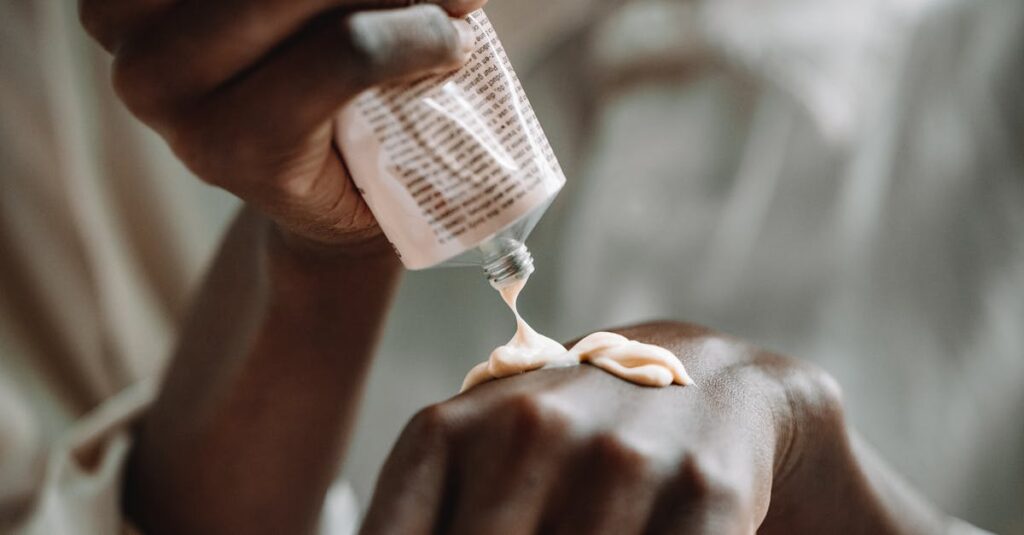

When it comes to skincare, moisturizer is the unsung hero, swooping in to save dry skin like a superhero in a cape. But with so many types out there, choosing the right one can feel like trying to find a needle in a haystack. From creams that feel like a warm hug to gels that refresh like a splash of cool water, there’s a perfect match for every skin type and mood.
Table of Contents
ToggleOverview of Moisturizer Types
Moisturizers fall into several categories, each serving distinct skin needs. Creams, for example, offer rich hydration and are ideal for very dry skin types. Lotions, being lighter in texture, suit those with normal to combination skin, providing moisture without a heavy feel.
Gels deliver a refreshing option often favored by oily and acne-prone skin. These products absorb quickly, leaving a non-greasy finish. Oils present another choice, with many benefiting from their ability to lock in moisture and nourish the skin deeply, especially in drier climates.
Some moisturizers incorporate humectants like glycerin, which attract water to the skin. Others contain occlusives, such as petrolatum, that create a barrier preventing moisture loss. Additionally, many formulations come with varying levels of emollients, which soften the skin and enhance its texture.
Consider moisturizing creams formulated with natural ingredients, such as shea butter and aloe vera, providing both nourishment and soothing properties. Similarly, specialty options include those geared toward sensitive skin, which may feature fragrance-free and hypoallergenic formulas.
Consumers often select moisturizers based on specific requirements, whether targeting wrinkles, hydration, or balancing oily skin. In essence, each moisturizer type caters to diverse conditions, ensuring suitable choices exist for everyone.
Emollient Moisturizers
Emollients effectively soften and soothe the skin, creating a smooth barrier that locks in moisture. These moisturizers are essential for maintaining skin hydration and improving texture.
Ingredients and Benefits
Common ingredients in emollient moisturizers include shea butter, cocoa butter, and natural oils like jojoba and almond. These components work to fill in gaps between skin cells, which enhances the skin’s overall barrier function. Emollients offer several benefits, such as reducing dryness and improving skin elasticity. They support maintaining hydration levels, especially in harsh weather conditions. Additionally, these ingredients often contain vitamins and antioxidants, contributing to healthier skin.
Best Uses for Emollients
Emollient moisturizers suit various skin types and conditions, from dry to sensitive skin. They effectively address dryness and rough patches, providing instant relief and comfort. For individuals with eczema or psoriasis, emollients can help reduce flare-ups and prevent further irritation. Regular application after bathing or showering locks in moisture, making the skin feel softer. Emollients are also beneficial during colder months when skin tends to become more dehydrated.
Humectant Moisturizers
Humectant moisturizers play a crucial role in hydrating the skin by drawing moisture from the environment into the skin’s outer layers. Their ability to attract water helps maintain optimal skin hydration levels, making them essential for various skin types.
How Humectants Work
Humectants create a protective barrier on the surface of the skin while working to retain moisture. They function effectively by attracting water molecules from the air and deeper skin layers, which helps keep the skin plump and hydrated. Humectants can hold several times their weight in water, ensuring long-lasting hydration. When applied, humectants can enhance skin elasticity and softness, providing a feeling of comfort and freshness. Maintaining moisture levels is vital for preventing dryness and promoting overall skin health.
Popular Humectant Ingredients
Several ingredients serve as popular humectants in skincare formulations. Glycerin tops the list due to its widespread use and effectiveness in retaining moisture. Hyaluronic acid follows, known for its ability to hold up to 1000 times its weight in water, making it a powerful hydrating agent. Aloe vera contains natural humectant properties alongside its soothing benefits, making it a favorite in many skincare products. Urea, found in some formulations, also acts as a humectant, providing additional exfoliating benefits to enhance skin texture. These ingredients work synergistically to deliver optimal hydration and improve skin appearance.
Occlusive Moisturizers
Occlusive moisturizers form a protective barrier on the skin, locking in moisture and preventing water loss. These types are especially beneficial for individuals facing extreme dryness or environmental stressors.
Function and Effectiveness
Occlusive moisturizers work by creating a thick layer on the skin known to trap hydration. Ingredients such as petrolatum, lanolin, and silicones effectively seal moisture within the skin’s surface, making them suitable for very dry or compromised skin. Their primary effectiveness lies in minimizing transepidermal water loss. This quality is essential for maintaining skin hydration and comfort, particularly in harsh climates or during weather extremes. Regular application results in smoother, softer skin, effectively alleviating dryness and irritation. For those with specific skin conditions, occlusive moisturizers significantly enhance overall skin health, supporting its barrier function.
When to Use Occlusives
Occlusive moisturizers should be applied during specific instances of dryness or skin dehydration. These products are particularly useful after bathing or showering when skin’s moisture levels are lowest. Applying them at night allows for optimal absorption while minimizing moisture loss during sleep. Use occlusives during the winter months or in arid environments to combat severe skin dryness. Individuals with conditions like eczema or psoriasis may find relief when using these moisturizers consistently. Consider layering occlusives over lighter moisturizers for enhanced hydration.
Combination Moisturizers
Combination moisturizers cater to diverse skin types by balancing hydration levels. These formulas typically blend various types of moisturizers to address multiple needs in one product.
Features of Combination Formulas
Combination formulas often feature lightweight textures that absorb quickly. Many include humectants to draw moisture while incorporating emollients for softness. Some products utilize occlusives to seal in hydration without feeling heavy. Ingredients such as glycerin, hyaluronic acid, and shea butter frequently appear, enhancing moisture retention. Most importantly, these products leave the skin feeling nourished while controlling excess oil in specific areas.
Selecting the Right Combination
Selecting the right combination moisturizer depends on individual needs and skin concerns. First, identify skin type — oily, dry, or combination. Next, review the ingredients for balance, looking for humectants that hydrate without clogging pores. It’s helpful to consider formulations designed for specific conditions, such as acne-prone or sensitive skin. Consulting a dermatologist can provide tailored recommendations. Always patch-test new products to ensure compatibility before incorporating them fully into a routine.
Finding the right moisturizer can transform a skincare routine. With so many options available each tailored to specific skin types and needs there’s no reason to settle for anything less than perfect hydration. Whether it’s a rich cream for dry skin a lightweight lotion for combination skin or a gel for oily complexions the right choice can make all the difference.
Understanding the unique properties of humectants emollients and occlusives allows individuals to make informed decisions. By considering personal preferences and skin concerns everyone can achieve healthy glowing skin. A well-chosen moisturizer not only hydrates but also enhances overall skin health making it an essential component of any skincare regimen.


